Medellín / Envigado
Songs of Bhakti
5 June 2026
7:00 PM
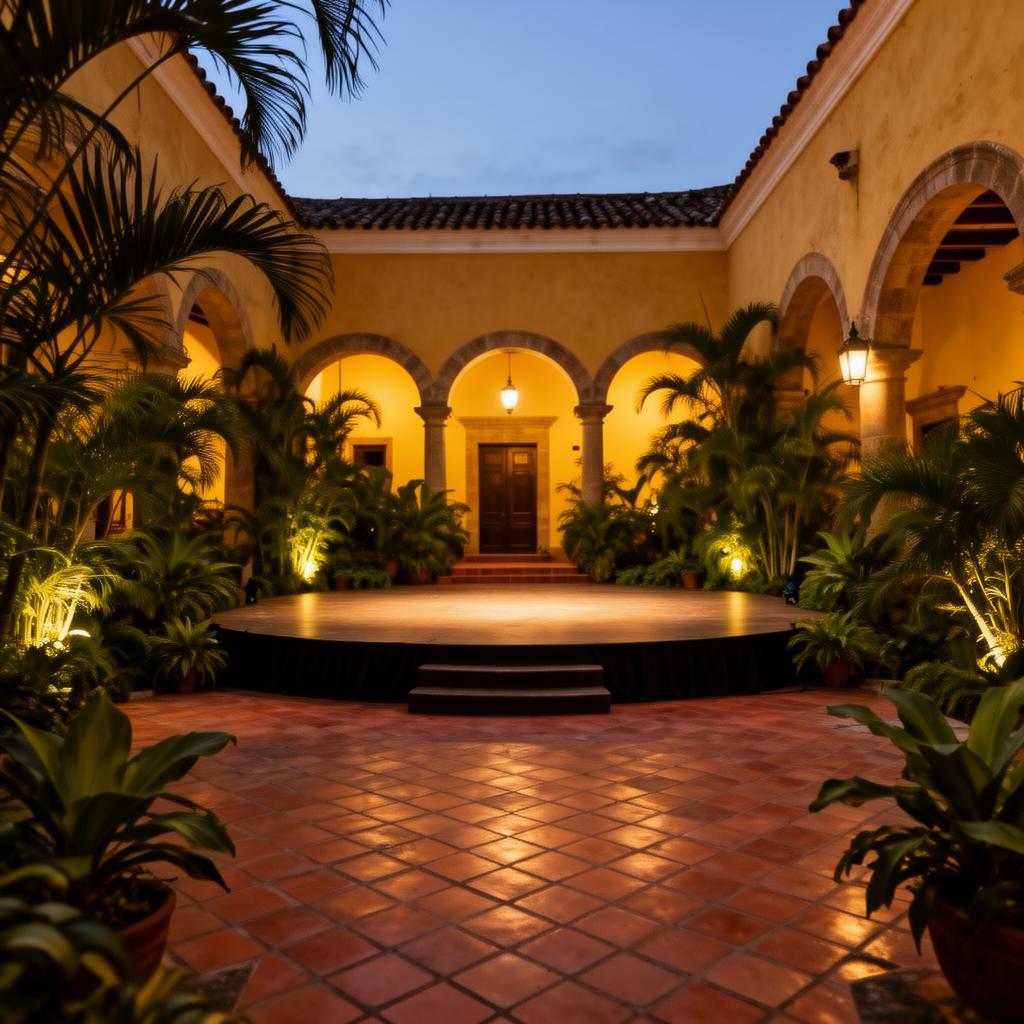
Parque Cultural y Ambiental Otraparte, Envigado, Antioquia, Colombia
www.comfama.com
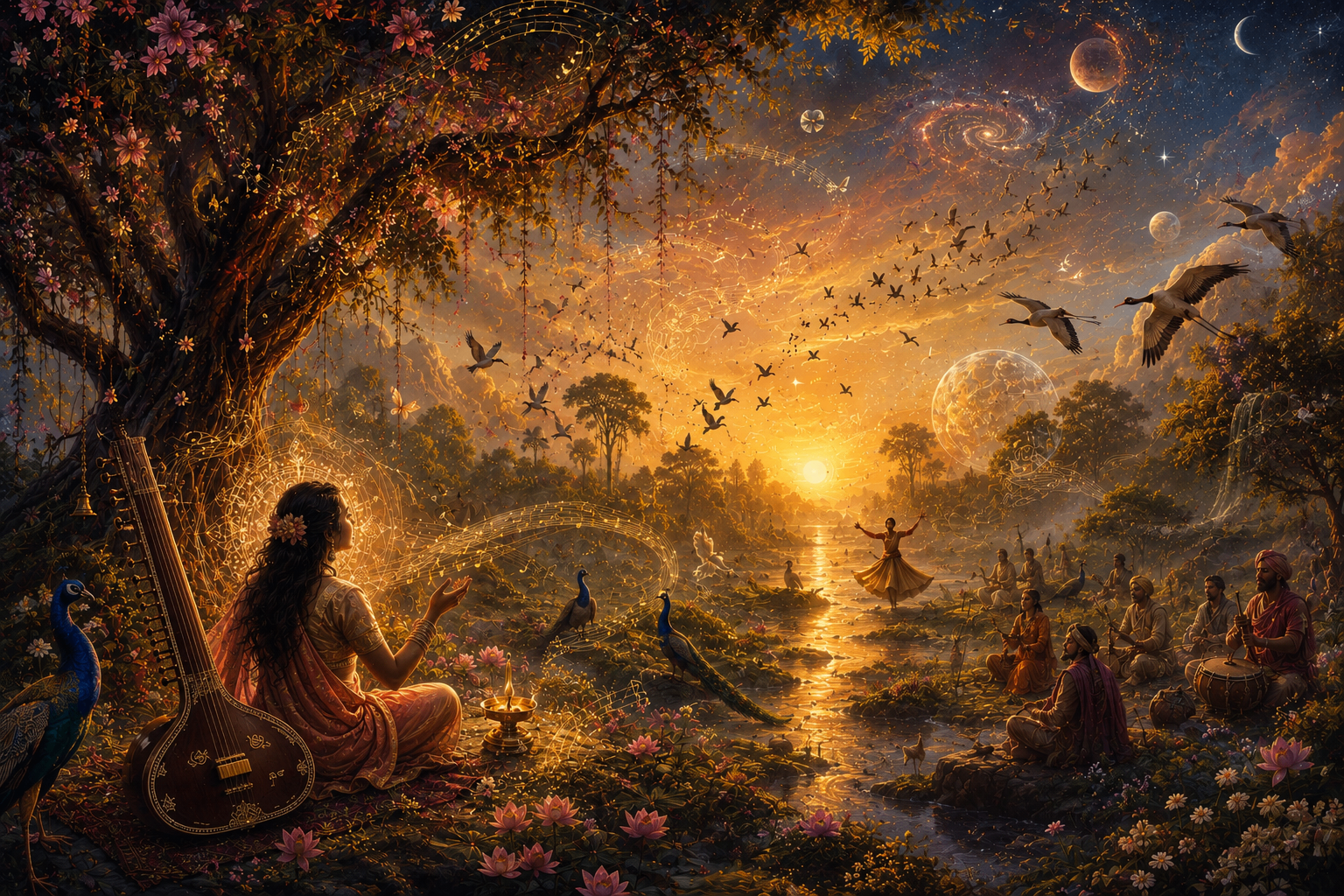
An evening of Hindustani Bhakti music — devotion, poetry, emotion, rhythm, and improvisation.
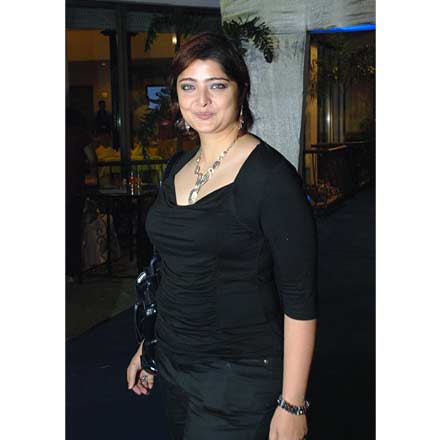
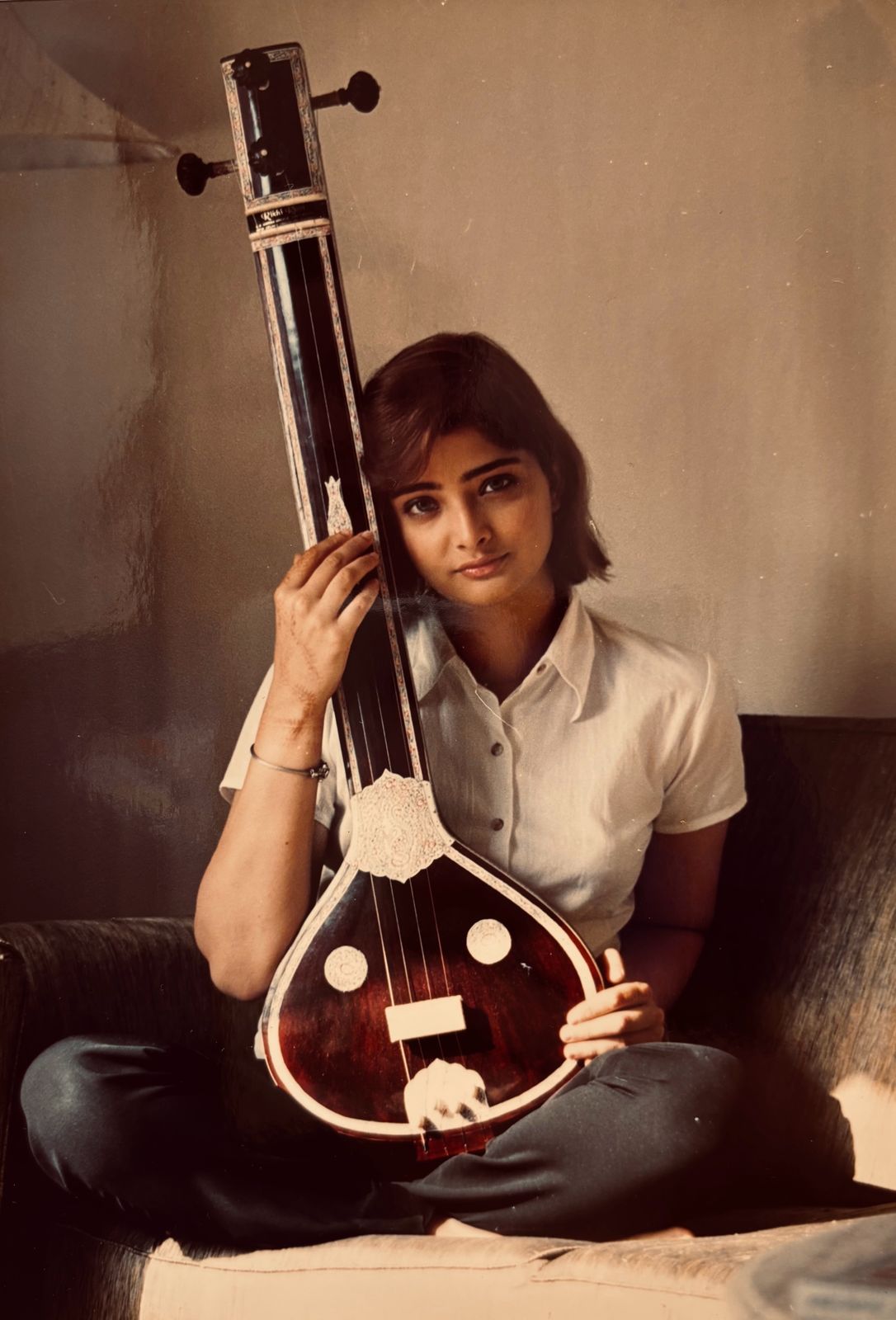
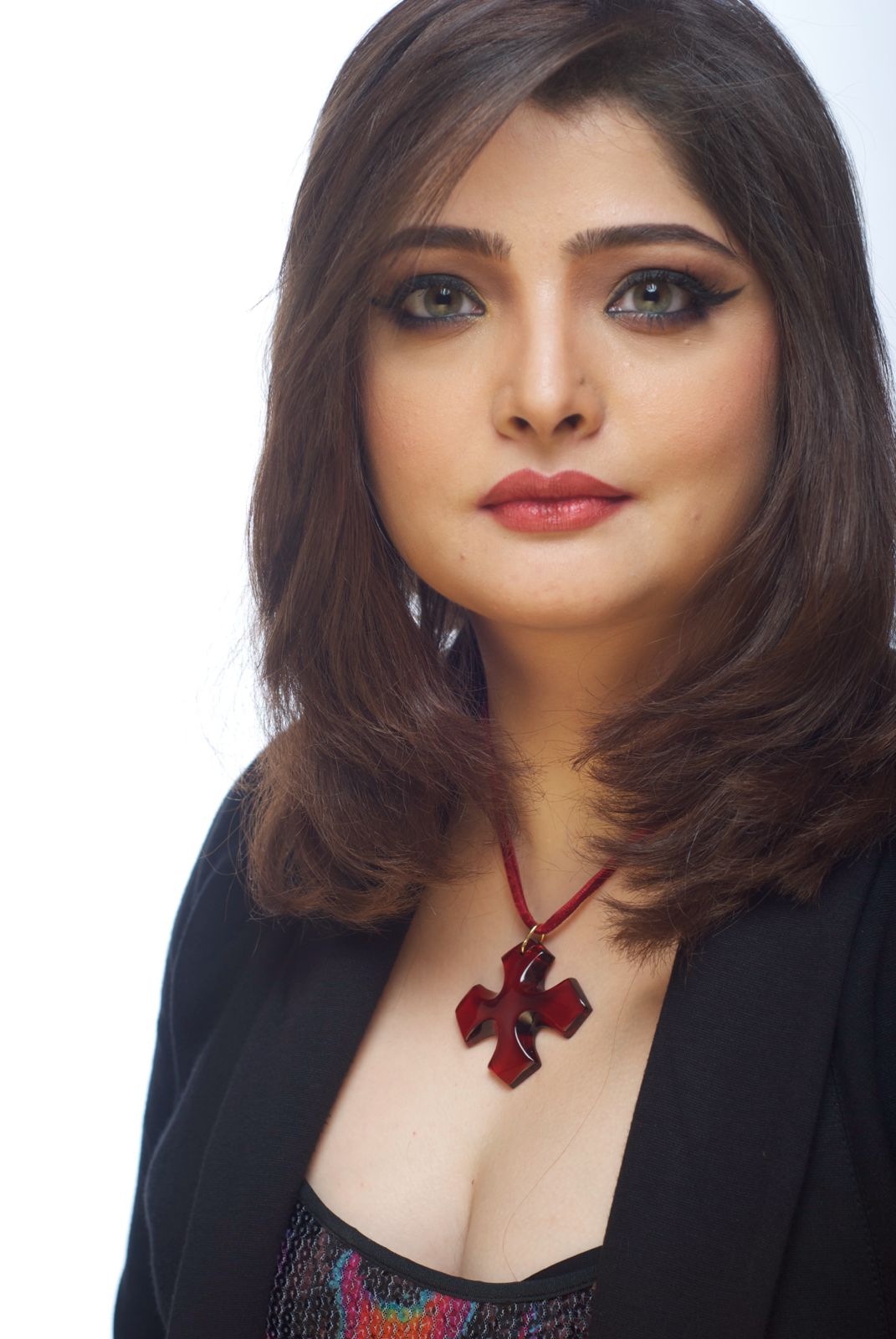
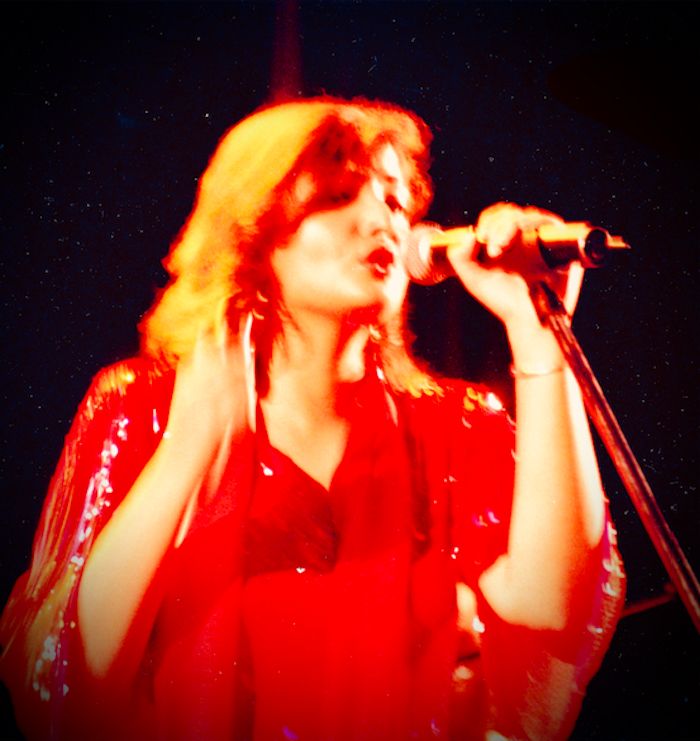
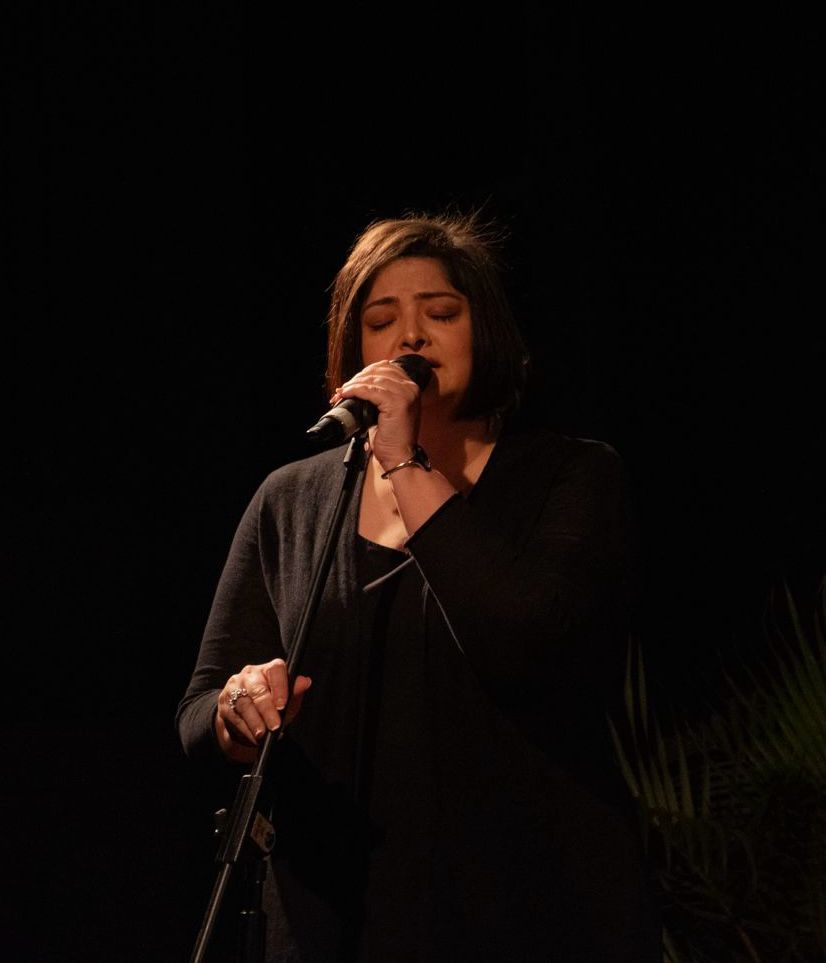
Vasundhara Das is a true polymath—a celebrated actor, accomplished singer, prolific performer, gifted composer, articulate speaker, and visionary entrepreneur. Her dynamic presence seamlessly bridges the worlds of film, music, innovation and community building.
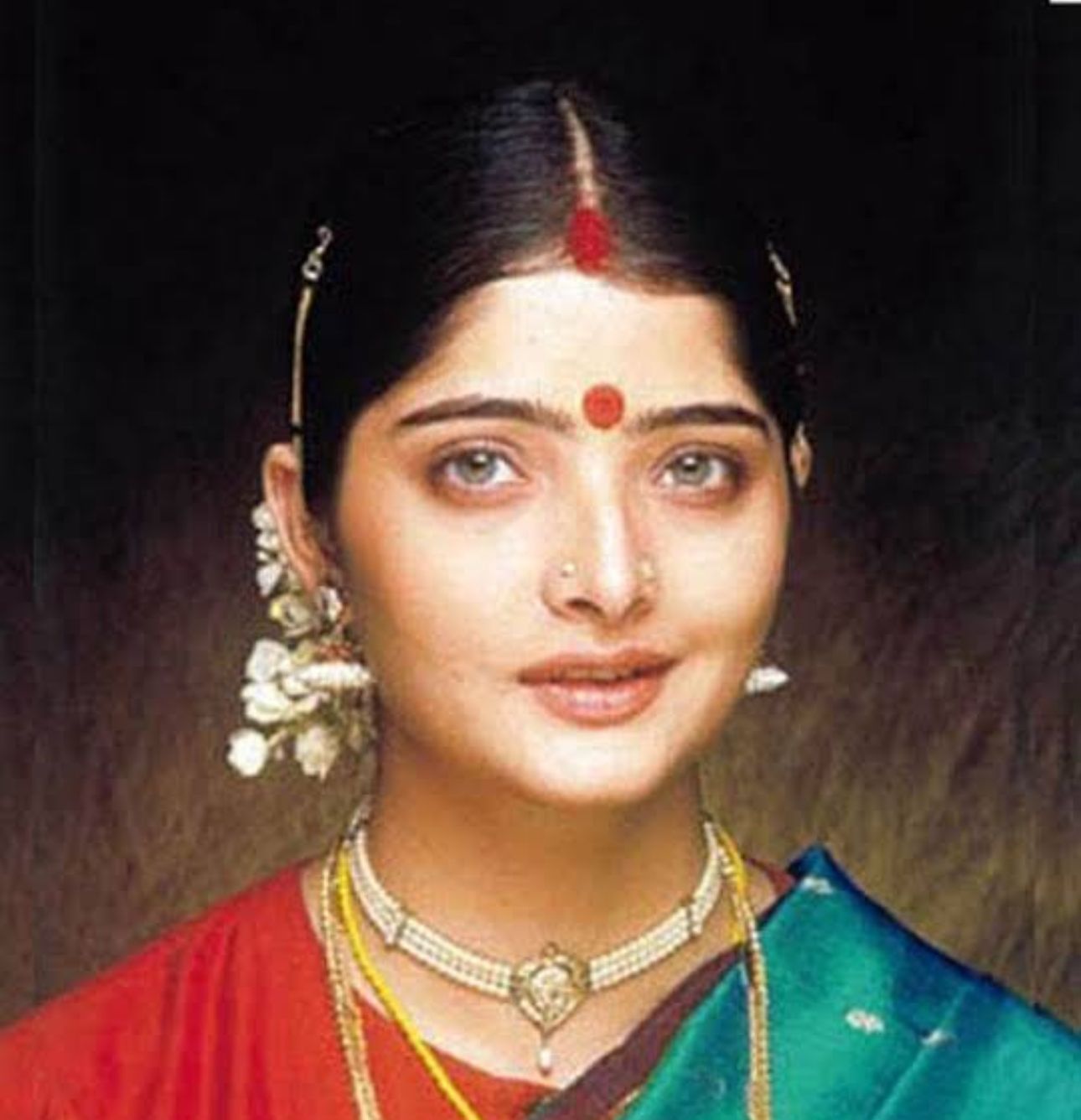
Her illustrious acting career spans iconic films such as Hey Ram (Tamil/Hindi), Monsoon Wedding (English), Citizen (Tamil), Ravana Prabhu (Malayalam), and Lankesh Patrike (Kannada), among others. As a singer trained in Hindustani classical music, Vasundhara has delivered chart-topping hits in multiple Indian languages, including Shakalaka Baby, It's the Time to Disco, Where's the Party Tonight, Pappu Can't Dance, Salaame, and Kahin Toh Hogi Woh, collaborating with renowned composers like A.R. Rahman, Vishal-Shekhar, and Shankar-Ehsaan-Loy. She extends her linguistic versatility to Spanish, Portuguese, and Italian.
Vasundhara's independent music endeavors are equally groundbreaking. From Channel V Jammin' to The Shah Hussain Project, and from composing anthems for the United Nations Millennium Development Goals to creating the HIV-awareness anthem Har Kadam, her collaborations are as meaningful as they are diverse. Her independently released album, The Shah Hussain Project Volume 1, inspired by the Sufi poet Hazrat Shah Hussain, premiered at the prestigious INK Conference, captivating live audiences and global viewers alike.
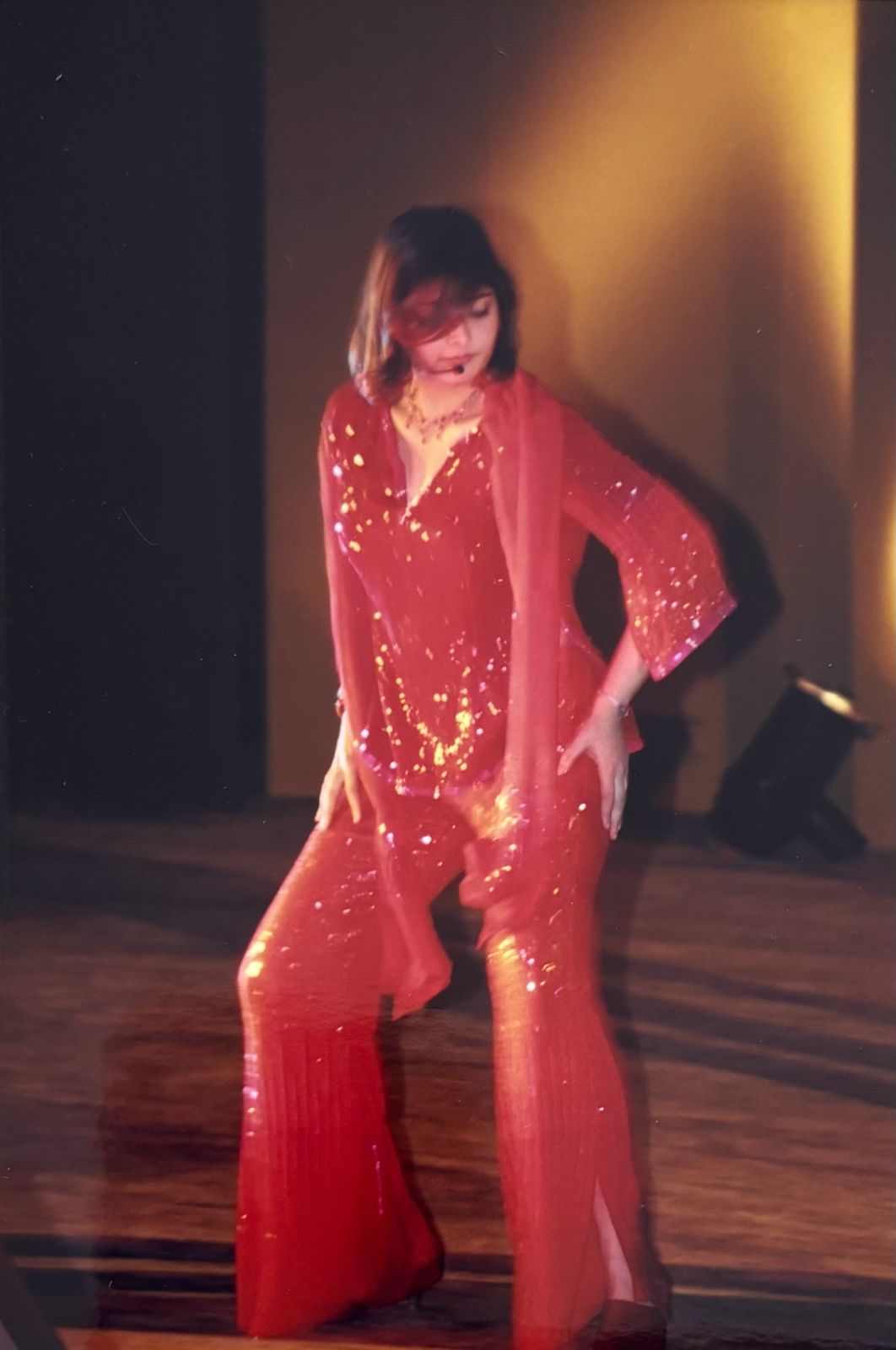
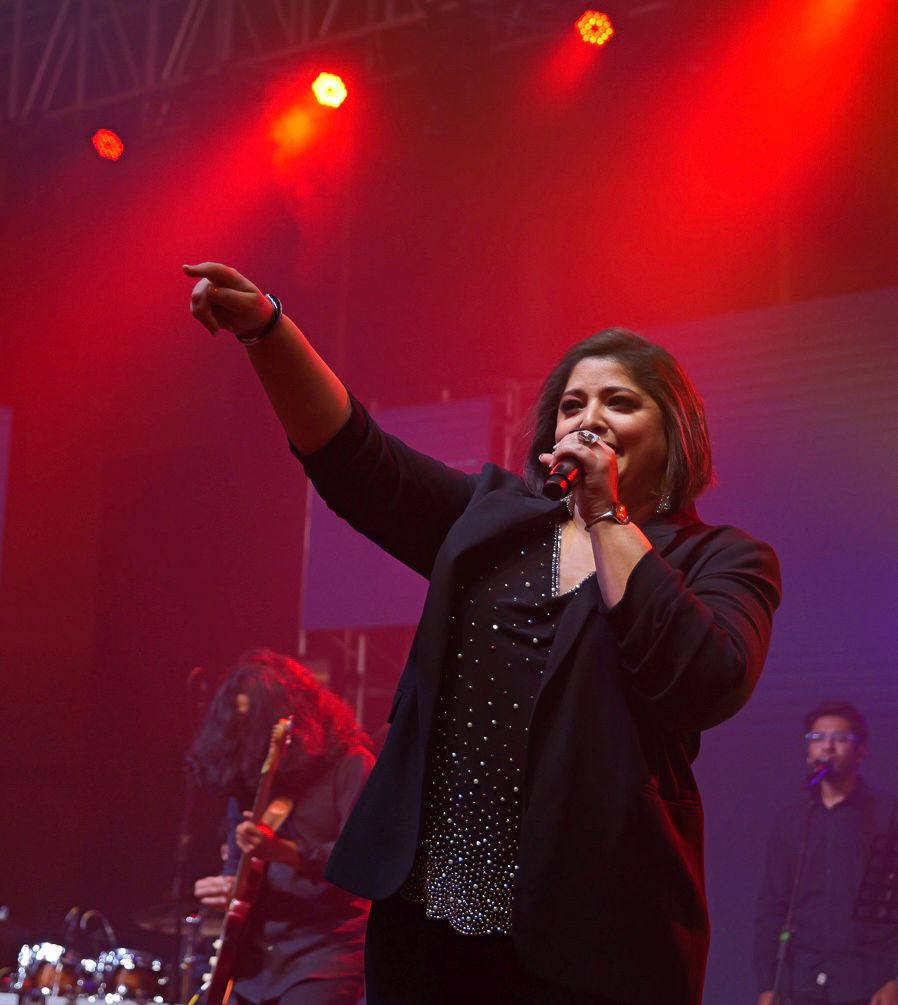
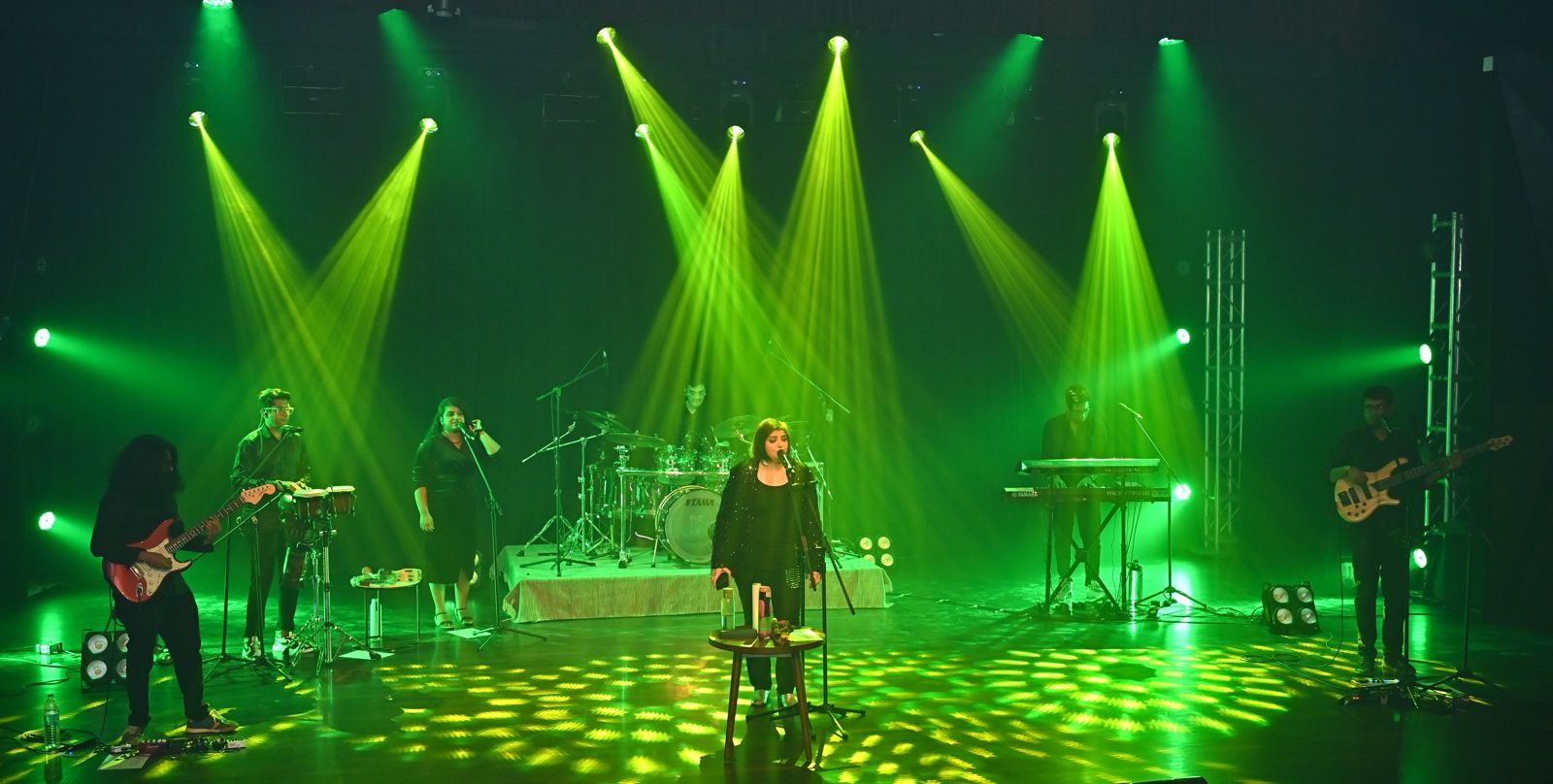
With her band, Vasundhara is an electrifying stage presence, captivating audiences with her versatility, commanding voice and magnetic energy.
Beyond performance, Vasundhara is a sought-after speaker, gracing platforms like INK Talks (in association with TED), Confederation of Indian Industries' National Brand Conference, and TEDx events. Her thought leadership spans music, creativity, entrepreneurship and community building.
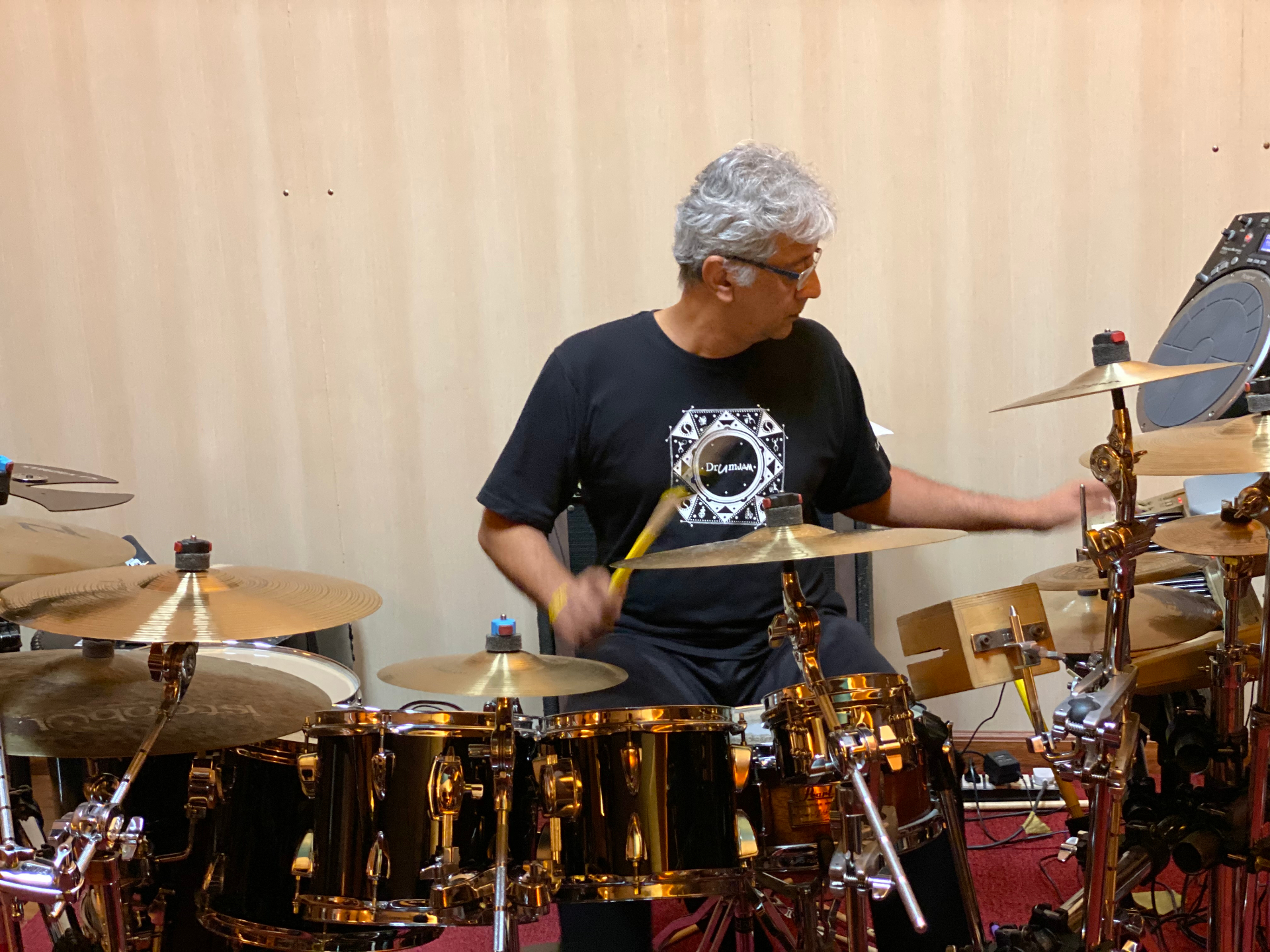
As a co-founder of Drumjam, Vasundhara, along with Roberto Narain, has pioneered the drum circle movement in India. With an inventory of over 20,000 percussion instruments, Drumjam has reached over half a million participants, blending rhythm and teamwork in corporate training, team building, and community engagement. As a certified Drum Circle and Circle Singing Facilitator, she extends this transformative experience to underserved communities, touching lives across diverse groups, including children, the elderly, and individuals with autism or dementia.
For many people in Colombia, this may be a first encounter with Hindustani classical music.
The music you will hear this evening comes from a tradition that has been passed from teacher to student over many centuries. Some pieces are based on Bhakti poetry, which expresses devotion, longing, gratitude, and wonder. Others draw from Sufi traditions that celebrate the search for connection and meaning.
You do not need to understand the language to enjoy the performance. Like all great music, its emotional meaning often travels beyond words.
As you listen, you may notice melodies unfolding slowly, moments of improvisation, intricate rhythmic patterns, and a close dialogue between the musicians. There is no need to analyse or interpret everything. Simply allow the music to guide your attention and imagination.
Whether you are familiar with Indian music or hearing it for the first time, we invite you to experience this evening with curiosity, openness, and presence.
Devotion shaped by classical training. Poetry carried by melody. Rhythm that breathes with the moment.
Devotion, longing, love, surrender, gratitude — the inner movement of the heart turned into song.
an emotional landscape. A particular set of notes that open up a particular feeling, which lives in the moment of deep listening.
The rhythmic cycle that carries the music forward — a steady heartbeat beneath every phrase.
Verses from poets across centuries: words of yearning, joy, beauty, loss, longing, and the sacred.
The artist living, breathing, articulating and modifying in the moment - having lived an entire lifetime in this performance art.
Above all, feeling. The music asks nothing of you but your attention.
Welcome to Songs of Bhakti.
Bhakti, or devotion, is a common sentiment no matter what one's belief. This is a secular set of music which includes compositions from Hindustani Classical Music traditions; poems by bards and poets from the Bhakti Era, which existed over 500 years ago in the Indian subcontinent; and Sufi poetry and music, which originated in ancient Persia and moved through the Indian subcontinent in local languages and dialects for their people, in praise of the spiritual “Beloved”.
All of these forms and traditions have coexisted and evolved in India over hundreds of years and continue to exist in our musical culture even today.
Please allow me to introduce our artists from India.
Vasundhara Das is well known around the world for her role in the award-winning film Monsoon Wedding. Although her main training is in the field of vocal Classical Hindustani Music, she is well known in India for her work in films in multiple Indian languages as a singer and actress, with many popular hit songs and films to her credit.
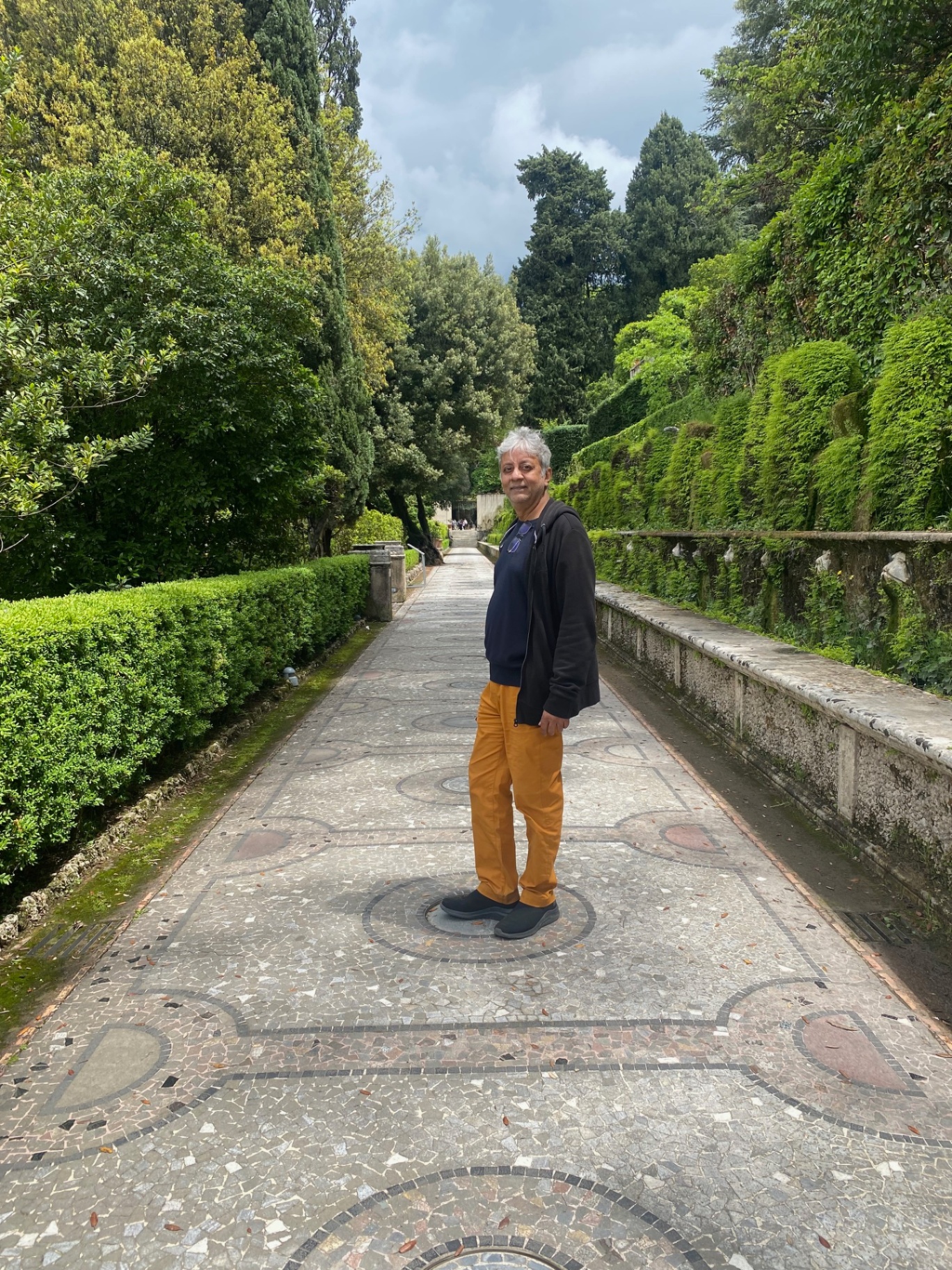
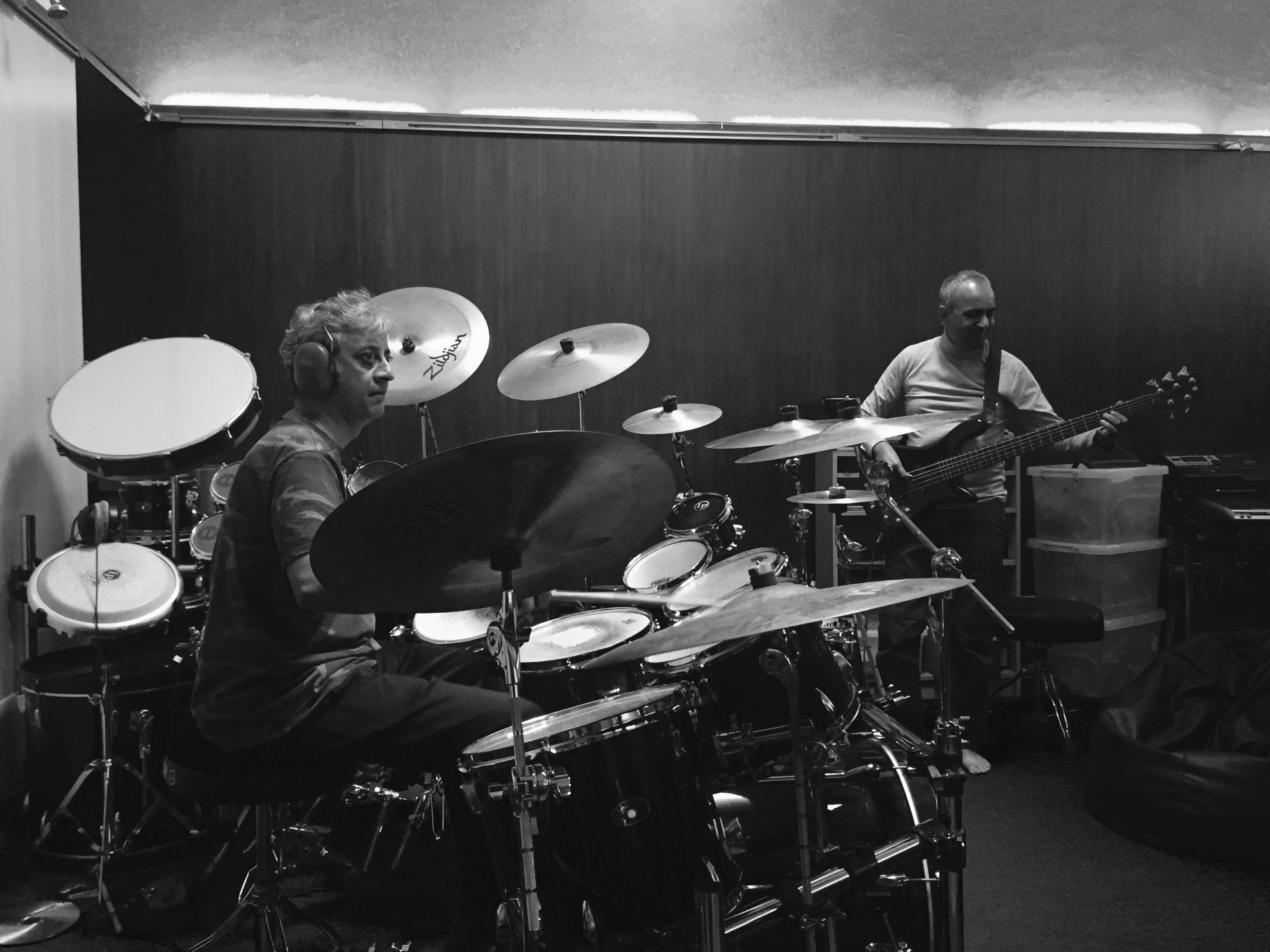
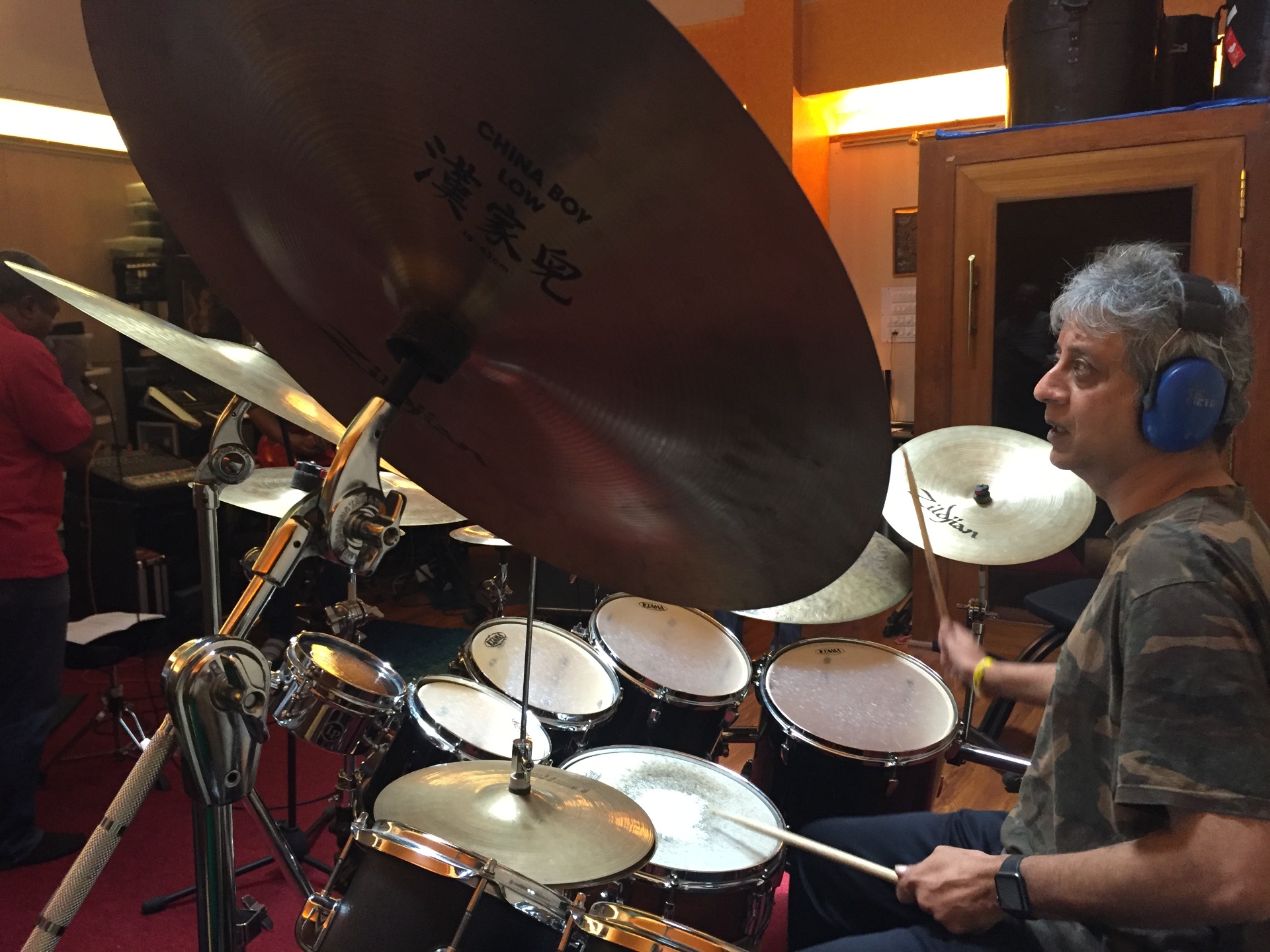
Accompanying Vasundhara on world percussion on this occasion is drummer extraordinaire Roberto Narain. A prolific musician, producer, performer, and facilitator, Roberto has performed in various settings and musical forms such as Rock, Heavy Metal, Jazz, Jazz Rock, Fusion, and Funk, and has, over the years, been part of many performances and festivals in India and around the world.
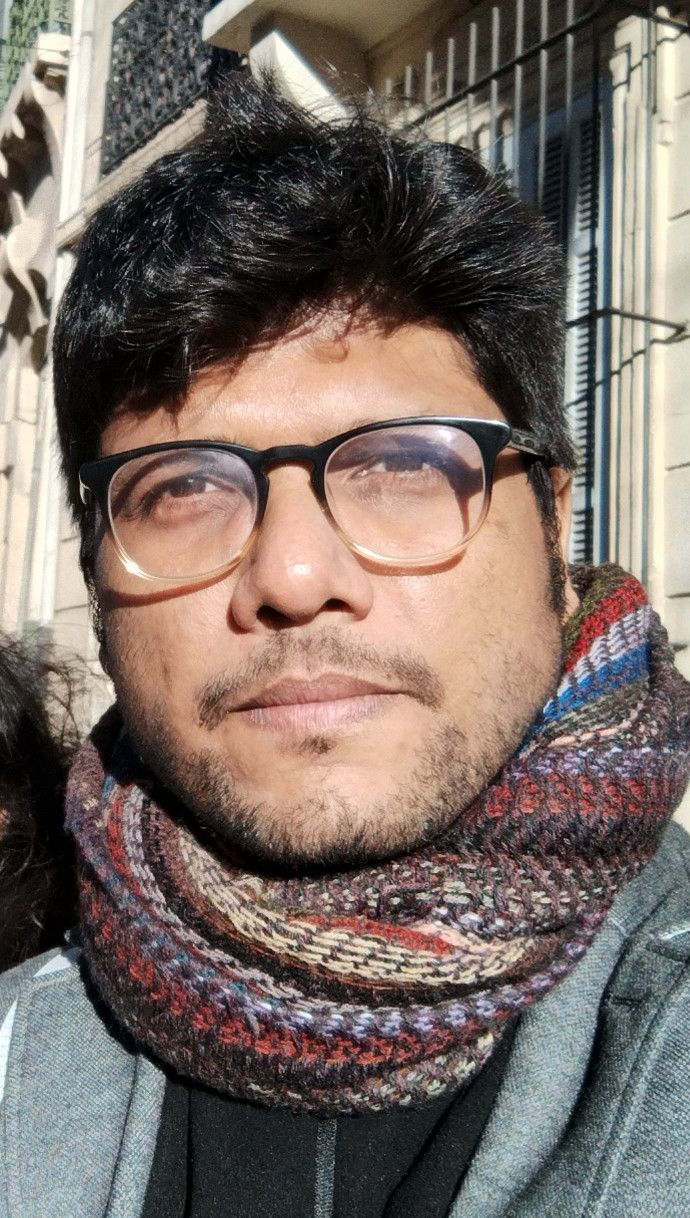
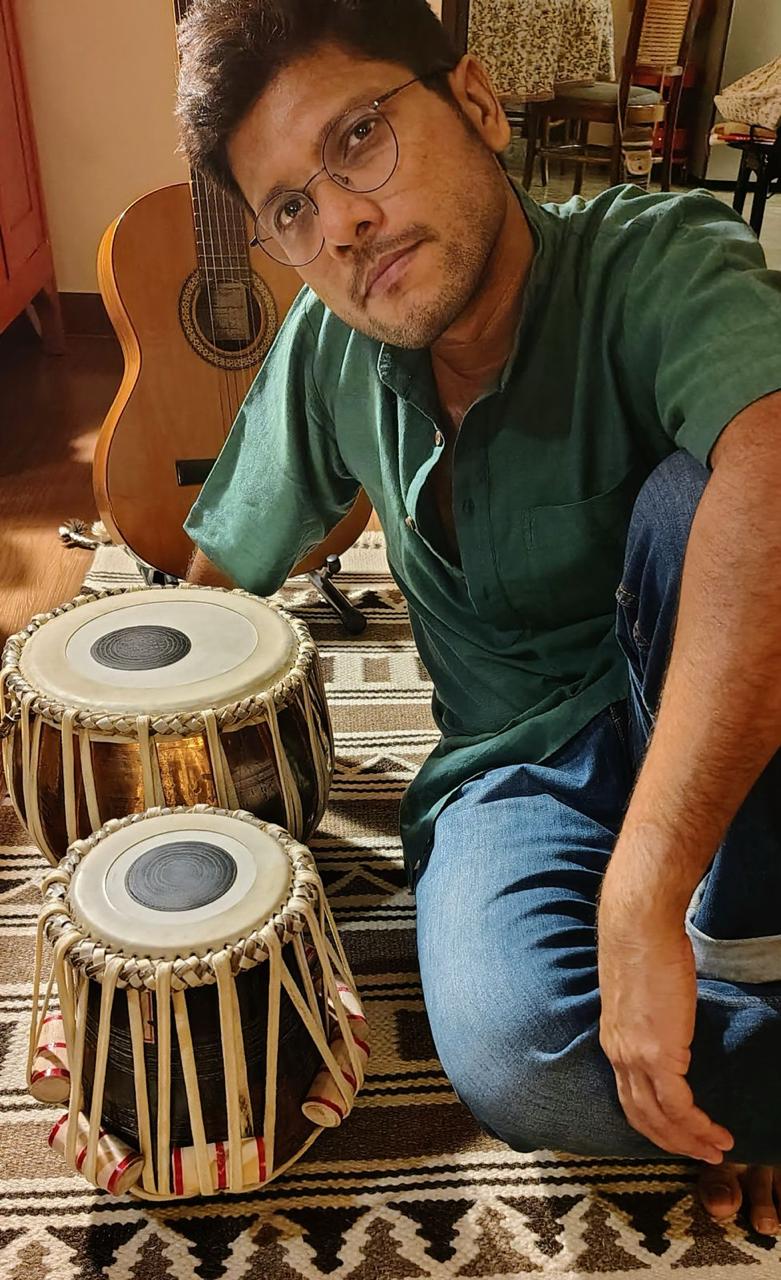
Accompanying Vasundhara on tabla and guitar is Anurag Shanker, a musician, composer, producer, and curator who has been working with independent artists, music for visual media, folk and roots cultures, and everything in between for the past two decades.
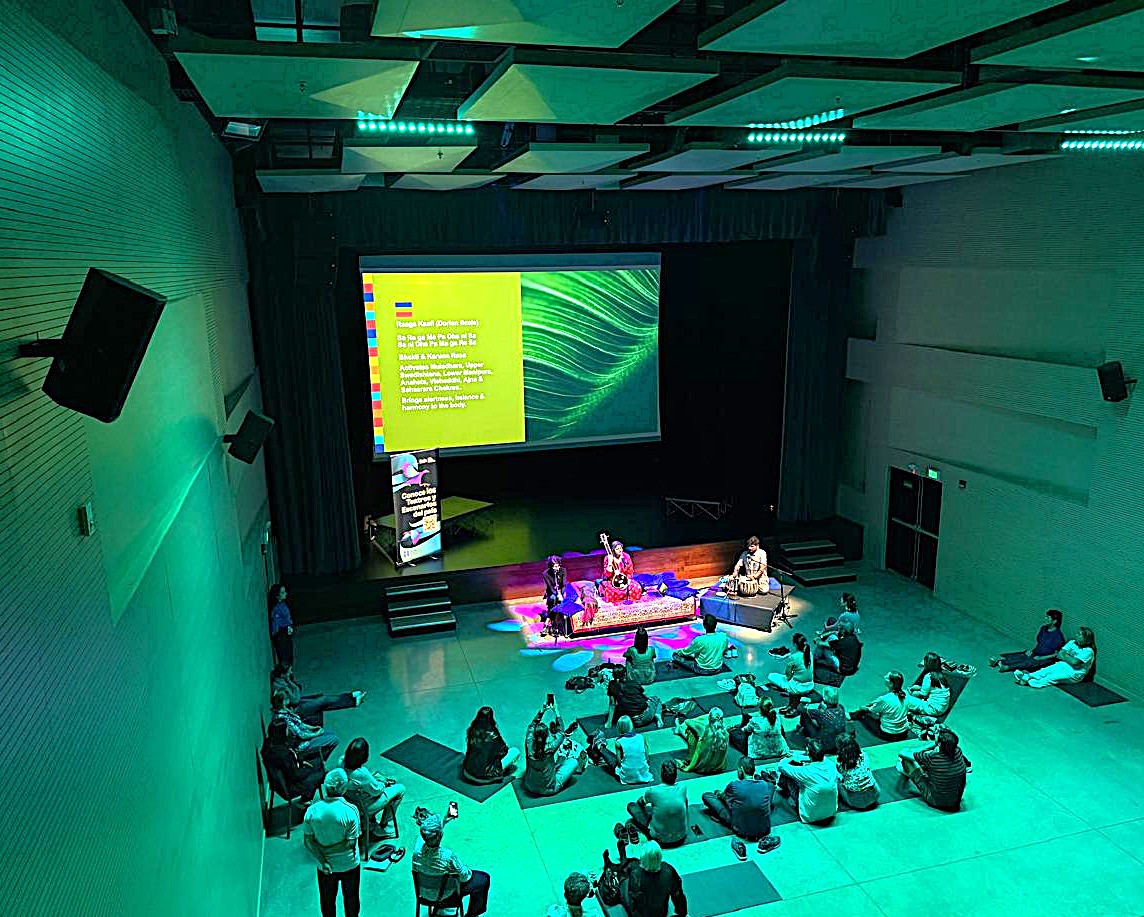
Our artists today share a little taste of the vast musical heritage of India with all of you. The pieces are in various Indian languages, set in different Rāgas, or note structures, and different Tālas, or rhythms. The common thread here is the Bhakti Rasa, or the emotional context of spirituality, which is at the heart of all the compositions that will be presented today.
Travelling half a world to make this music together.
A glimpse into the world of Vasundhara Das, her music, and the emotional landscape of Songs of Bhakti.
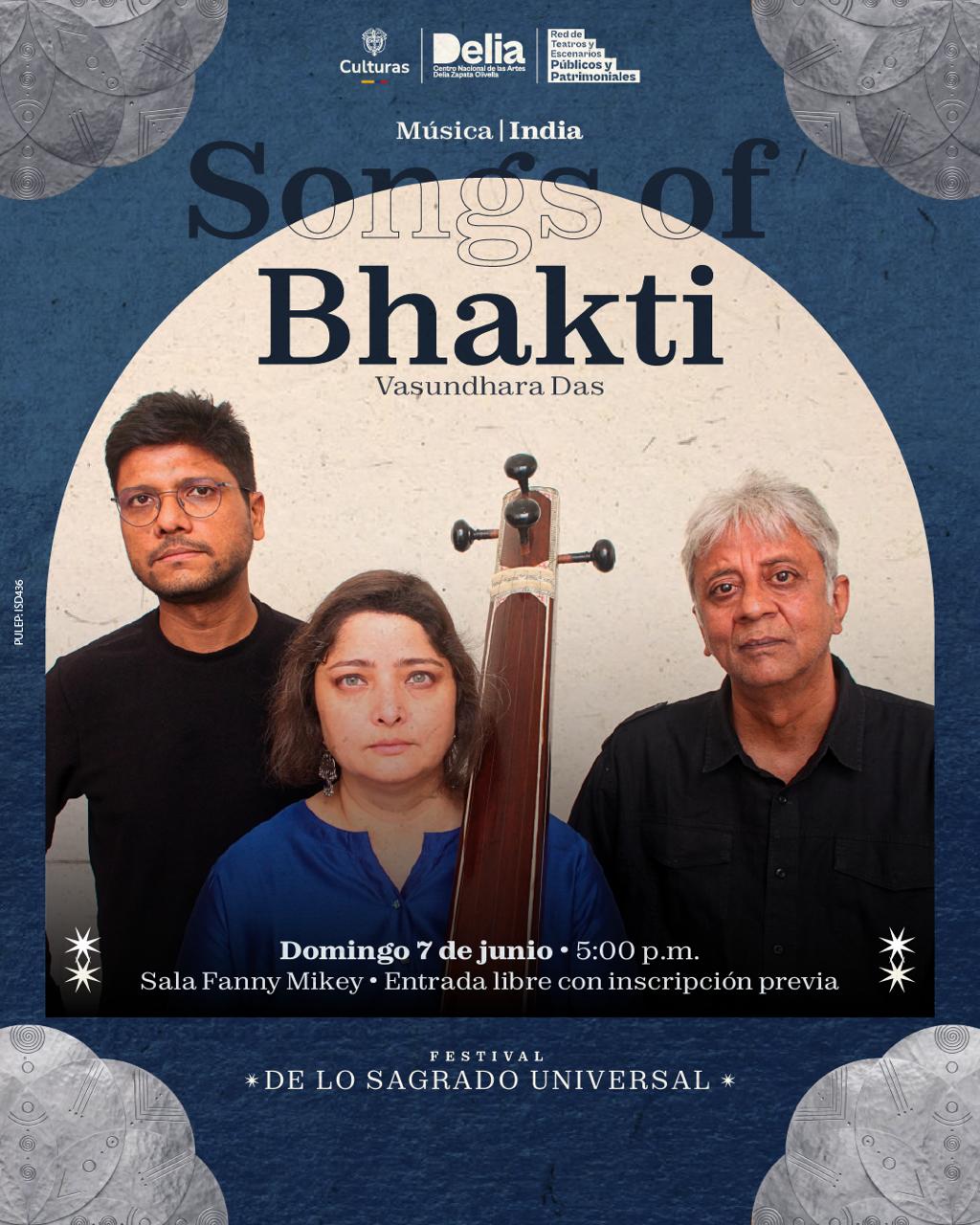
Songs of Bhakti — official concert poster.
A short journey through Vasundhara Das's voice — invocation, devotion, energy, and her recorded catalogue.
A powerful invocation that introduces Vasundhara Das through voice, presence, and musical depth.
Watch on YouTubeA glimpse into her work with The Shah Hussain Project, where poetry, devotion, and contemporary performance meet.
Watch on YouTubeA contemporary collaboration with Shubhangi Joshi — intimate, reflective, and quietly cinematic.
Watch on YouTubeFrom the film Maharaja, composed by Vishal-Shekhar — a soulful Bollywood feature vocal.
Watch on YouTubeA tender solo track showcasing Vasundhara's expressive lyrical voice.
Watch on YouTubeAn indie collaboration with Ashu & Dhruv — atmospheric, modern, and texturally rich.
Watch on YouTube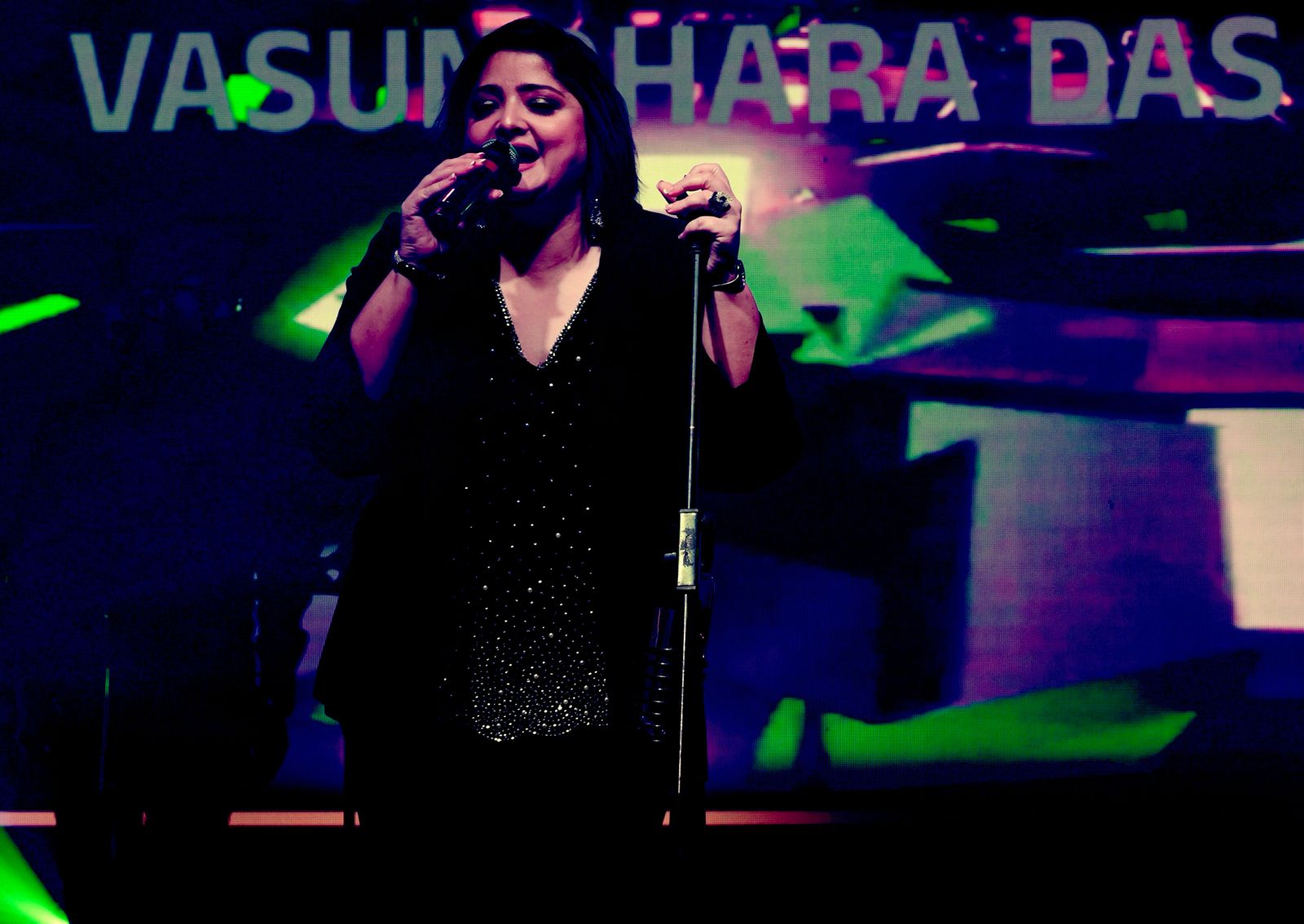
Explore more of Vasundhara Das's recorded music, playback songs, and full musical catalogue.
Open in YouTube Music
More music, more moments, between now and the evening.